
Learn why sample development is one of the most important stages in garment production and how it helps brands minimize risk before mass manufacturing begins.
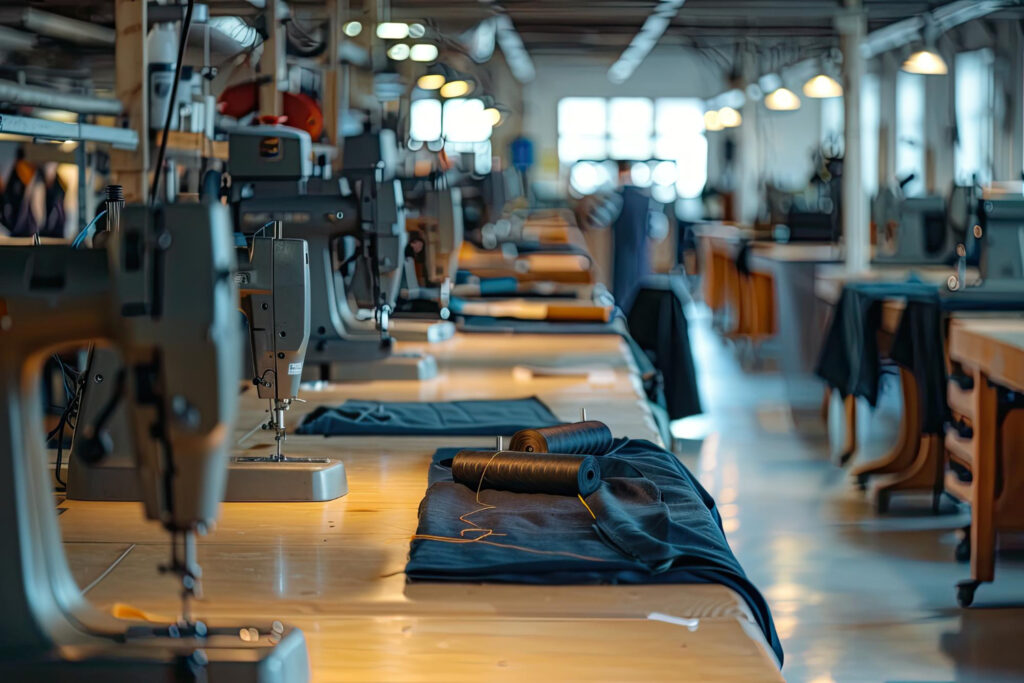
Before mass production begins, every successful garment project starts with one critical stage: sample development.
Sampling allows brands and manufacturers to validate product specifications, fit, construction, material compatibility, and finishing quality before committing to large-scale production.
The process typically begins with a design brief or tech pack provided by the buyer. Based on these requirements, the production team sources suitable fabrics, trims, and construction methods aligned with the intended product outcome.
Once materials are confirmed, the first prototype is produced. This sample becomes the foundation for evaluating measurements, stitching quality, silhouette, and overall appearance.
At this stage, revisions are common. Adjustments to sizing, material composition, labels, packaging, or finishing details may be required before approval.
A structured sampling process helps reduce costly production mistakes, prevents quality inconsistencies, and improves communication between buyers and factories.
For international brands, sampling is more than a technical step — it is a quality assurance process that protects the integrity of the final collection before mass production moves forward.
At WANGUN RAKSA, sample development is managed collaboratively with buyers to ensure every product is aligned with approved specifications and export-quality standards before production begins.